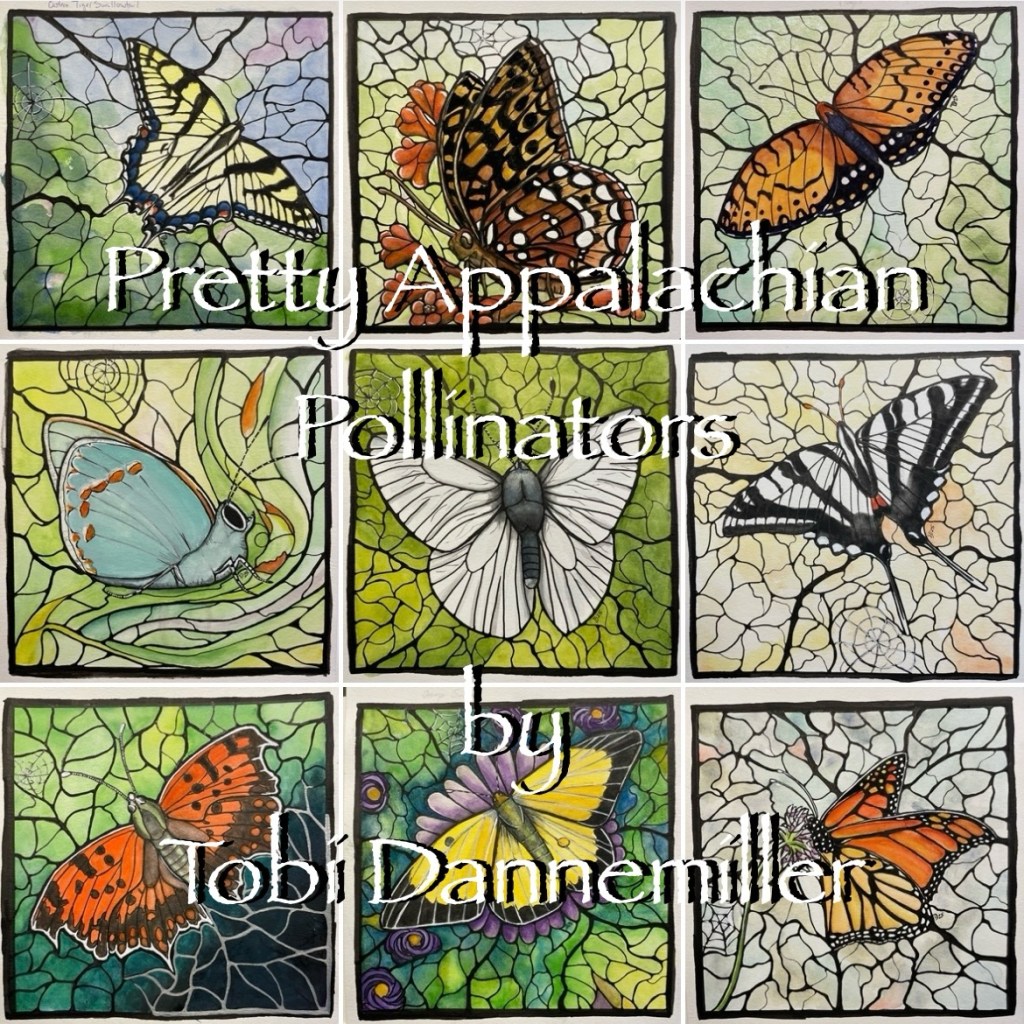
Celebrating species that rely on our native “weeds” to survive.
“Pretty Appalachian Pollinators”
Exhibition Announcement:
I’m excited to present Pretty Appalachian Pollinators, my current exhibition running now at The Bank of Romney (95 E. Main Street, Romney, WV), October 27 through December 19, 2025. Sponsored by Bank of Romney & the Hampshire County Arts Council. These twenty paintings celebrate the butterflies and moths of West Virginia and the Appalachian region. They highlight those species whose life cycles depend on native host plants. These plants are often dismissed or removed as weeds.
(A portion of the proceeds will go to The Xerces Society for Invertebrate Conservation, an international nonprofit organization that protects the natural world through the conservation of invertebrates and their habitats.)
Artist Statement & Conservation Purpose:
Each creature in this series is more than just a subject of paint, from the flutter of a Monarch’s wings to the ghostly beauty of the West Virginia White. They are living symbols of Appalachian resilience and the delicate balance of our native ecosystems. I focus on species found in West Virginia and the greater Appalachian region, using art as a way to draw attention to their quiet struggles. Through these paintings, I hope to spark curiosity and awareness. I want to share information about their host plants. This is important, especially for plants that are exclusive. The insect’s larvae can only survive on that one species of plant.
Many of these vital host plants are under threat from habitat loss, invasive species, pesticides, and our tendency to clear away what we consider “weeds.” When a host plant disappears, the butterfly or moth that depends on it soon follows. Conversely, several species of pollinators are vital to biodiversity of threatened species such as the Pandora Sphinx Moth. The Pandora Sphinx Moth is known to seek out and pollinate certain plant species, such as the threatened eastern prairie fringed orchid, highlighting its important ecological role.
It’s always important to note that even if we still see adult butterflies and moths visiting different flowers throughout the year, their larvae may be struggling unseen on plants we would not think twice about. Protecting these plants and pollinators means protecting entire life cycles — ensuring that future generations will continue to witness the colors and movement that inspired this series.
Slideshow of Paintings:
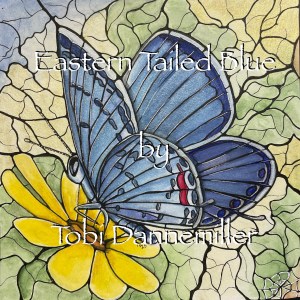
Eastern Tailed Blue by Tobi Dannemiller 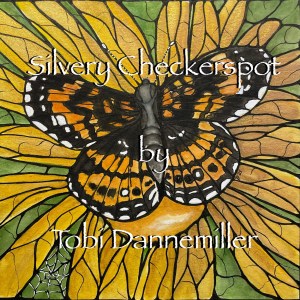
Silvery Checkerspot by Tobi Dannemiller 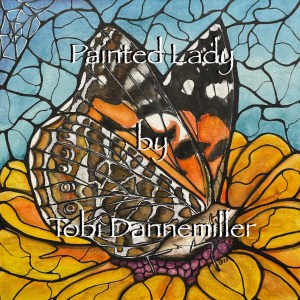
Painted Lady by Tobi Dannemiller 
Olive Jasper Hairstreak by Tobi Dannemiller 
Summer Azure by Tobi Dannemiller 
Appalachian Grizzled Skipper by Tobi Dannemiller 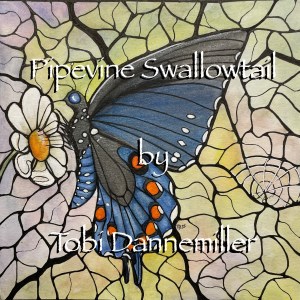
Pipevine Swallowtail by Tobi Dannemiller 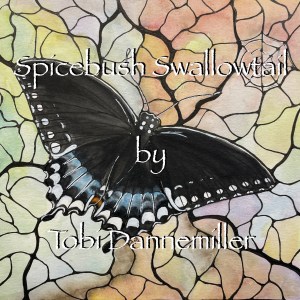
Spicebush Swallowtail by Tobi Dannemiller 
Orange Sulpher by Tobi Dannemiller 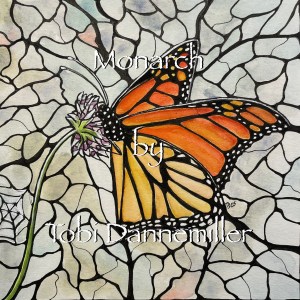
Monarch Butterfly by Tobi Dannemiller 
Pandora sphinx Moth by Tobi Dannemiller 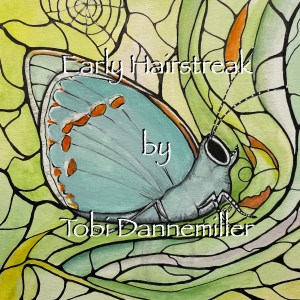
Early Hairstreak by Tobi Dannemiller 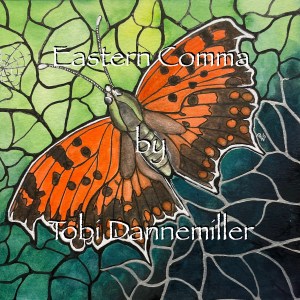
Eastern Comma by Tobi Dannemiller 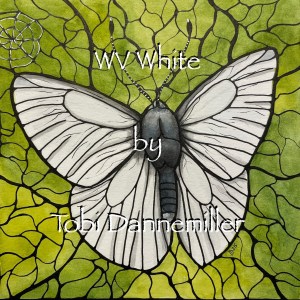
WV White Butterfly by Tobi Dannemiller 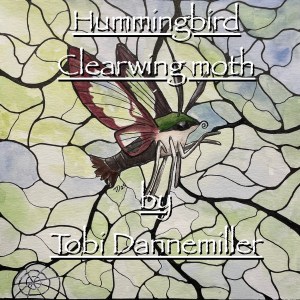
Hummingbird Clearwing by Tobi Dannemiller 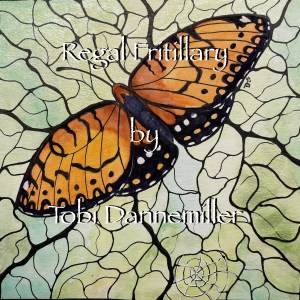
Regal Fritillary by Tobi Dannemiller 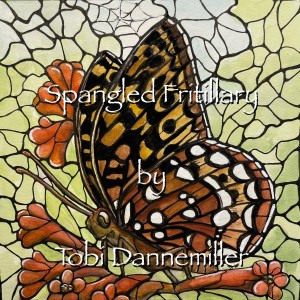
Spangled Fritillary by Tobi Dannemiller 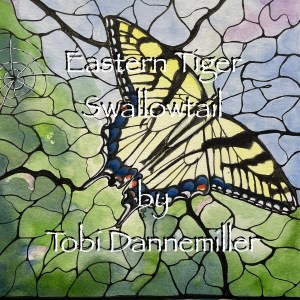
Eastern Tiger Swallowtail by Tobi Dannemiller 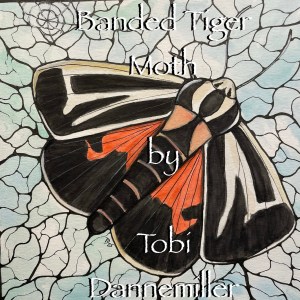
Banded Tiger Moth by Tobi Dannemiller 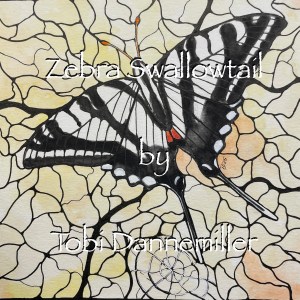
Zebra Swallowtail by Tobi Dannemiller
Conservation Details:
Below is a list of the paintings in the series. Under each is the host plant noting if the moth or butterfly can only lay eggs on one exclusive plant. If there’s multiple plants the pollinator can use, I list my personal choice. Also listed is the conservation G-rank if available, and what people can do to help support both the plant and insect species.
| Painting | Host Plant (Exclusivity) | G-Rank* | How to Help |
|---|---|---|---|
| Banded Tiger Moth | Dandelion (my choice) | G5 — secure globally (common and widespread) | Allow dandelions in lawns or edges; avoid spraying broad-spectrum herbicides. Plant native/edge wildflower patches. |
| West Virginia White | Toothwort (exclusive) | G2 — imperiled globally. | Protect and restore woodland understory; control invasive garlic mustard which confuses/overwhelms toothwort; maintain leaf litter and shade for soil moisture. |
| Zebra Swallowtail | Pawpaw (exclusive) | G5 — secure globally. (Pawpaw is widespread in its range) | Encourage planting of pawpaw trees; provide sunny but sheltered spots for eggs; leave fallen leaves under pawpaw for pupation. |
| Regal Fritillary | Native Violet (exclusive) | G3 — Vulnerable globally. Eastern subspecies proposed as endangered; western subspecies as threatened. | Protect and expand native violet patches. Avoid mowing meadows during breeding season. Reduce pesticide use. Support prairie and meadow restoration efforts. |
| Tiger Swallowtail | Wild Cherry (my choice) | G5 — secure globally. | Protect wild cherry trees; avoid cutting edge trees; allow cherry growth in hedgerows. |
| Monarch | Native Milkweed (exclusive) | G4 – apparently secure but face substantial threats regionally especially in the Appalachian region. | Plant native milkweed; avoid herbicides and pesticide drift; create milkweed corridors; support migration-friendly habitat. |
| Painted Lady | Thistle (my choice) | G5 — secure globally. | Let thistles bloom in parts of garden or field edges; avoid removing all thistles; choose native thistle species. |
| Silvery Checkerspot | Black-eyed Susan (my choice) | G5 — Secure globally, but declining regionally in parts of Appalachia | Plant native Black-eyed Susans and maintain sunny, open wildflower areas; avoid excessive mowing or pesticide use; maintain nectar sources throughout summer. |
| Spicebush Swallowtail | Spicebush (my choice) | G5 — secure globally. | Plant spicebush in moist, shaded edges; avoid over-pruning; protect soil moisture. |
| Eastern Comma | Stinging Nettle (my choice) | G5 — secure globally | Leave nettle patches where safe; avoid “cleaning up” all nettle; educate neighbors about its value. |
| Orange Sulphur | White Clover (my choice) | G5 — secure globally. | Include clover in lawns; reduce mowing/frequent trimming; avoid herbicides on clover. |
| Hummingbird Clearwing Moth | Honeysuckle (my choice) | G5 — Secure globally. | Plant native honeysuckle or snowberry; provide open sunny garden edges; avoid pesticides, especially at dusk when moths are active. |
| Early Hairstreak | American Beech (exclusive) | G2 – Imperiled. High risk of extinction due to it’s rarity and threats. | Protect beech trees; avoid beech bark damage; plant American beech in restoration projects. |
| Appalachian Grizzled Skipper | Dwarf Cinquefoil (exclusive) | Critically imperiled regionally; G-rank low (rare) in WV. | Preserve rocky barrens / open dry sparsely grassed shale barren often near oak or pine forest habitats; encourage cinquefoil growth; reduce development in its known sites; avoid changing edges. |
| Olive Juniper Hairstreak | Eastern Red Cedar (exclusive) | G5 Status globally. Locally common where cedar/juniper habitats persist; dependent on Juniperus virginiana and related species. | Preserve and plant native red cedars and junipers; protect old-field and cedar glade habitats; discourage removal of native cedars during land clearing. |
| Pandora Sphinx Moth | Virginia Creeper (my choice) **The Pandora sphinx moth is known to pollinate certain plant species, such as the threatened eastern prairie fringed orchid, highlighting its important ecological role. | G5 – secure globally. | Plant and protect patches of Virginia creeper; night-pollinator friendly lighting practices. |
| Eastern Tailed Blue | White Clover (my choice) | G5 — secure globally. | Same as for clover: leave clover, reduce overuse of herb pesticides, let edges and lawns be more wild. |
| Summer Azure | Black Cohosh (my choice) | G5 – Demonstrably secure globally, though it may be quite rare in parts of its range, especially at the periphery. | Cultivate black cohosh in shady, moist garden beds; buy from sources that don’t collect wild populations; protect forested habitat. |
| Pipevine Swallowtail | Virginia Snakeroot (my choice)* | G5 – globally secure. | Plant Virginia snakeroot; protect vine host in woodlands; avoid herbicide drift; educate people about poisonous-plant associations so they don’t remove safe vines. |
| Spangled Fritillary | Native Violet (exclusive) | G5 – globally secure. | protect violet habitats; allow shade, soil moisture; avoid trampling. |
*G-Rank = global conservation status from NatureServe or similar sources. “G5” means secure; G1 = critically imperiled. Where data is missing, more local/regional datasets may fill gaps.
Why the Host Plants Are Crucial:
These butterflies and moths visit many flowers as adults, but what you may not see is how dependent they are on specific host plants for their eggs and larvae. Without the right host plant, the eggs won’t hatch or the caterpillars won’t survive. When people remove plants they think are weeds (like milkweed, clover, violet, or nettle), or when invasive species take over, it threatens the whole life cycle of these beautiful pollinators.
Looking Ahead:
I hope Pretty Appalachian Pollinators will be the first of many exhibitions. I wish to find more venues like community centers, libraries, and botanical gardens in West Virginia. I also want to explore other areas in Appalachia and beyond. Additionally, I aim to partner with schools for educational outreach. Creating workshops about native plants and pollinators is another goal. I am also considering expanding the series to include more moths, more butterflies, understory species, and nighttime pollinators.
Finally:
Thank you for visiting. If you’re interested in owning an original or print from this series, or want updates on future exhibitions, please reach out or follow along here. Every plant you leave, every yard you allow to go a little wild and every autumn that you leave the leaves, helps these beautiful creatures thrive.
Please feel free to use the form below for commissions or gallery appearances. I will answer your request as soon as possible.
Check out my other paintings at www.tobitokens.com or find out a little more about me at About Tobi!
Visit my Social Media for more up-to-date happenings!
Your message has been sent
Tobi Dannemiller
Frequently Visited Links:
 Tobi Dannemiller
Leave a comment